

Cancer, it’s personal.

01 Cancer doesn’t follow a script. It doesn’t care for categories, rules or labels. It shows up differently in every body, every cell, every life it touches. But too often, access to treatment and clinical trials still looks the same for everyone and it’s too often based on what’s typical, available or has been done before.




RareCan. Cancer treatment built around you.
Meet the team
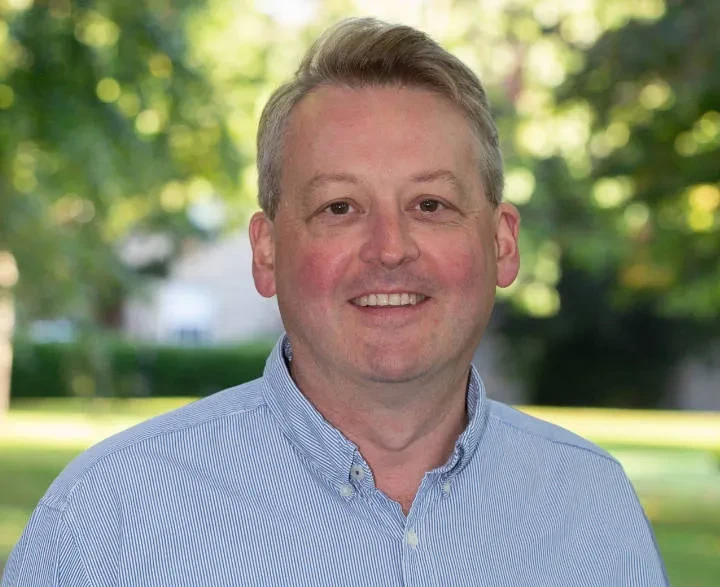
 PIERS KOTTING, Chief Executive Officer
 PIERS KOTTING, Chief Executive Officer
Piers has a 30 year career working across the NHS and the university sector, and founded both commercial and social enterprise companies. He has developed, delivered and scaled a number of product and service innovations in health service delivery and clinical research.
Through this work Piers has been acknowledged as one of the Top 100 Health Tech Influencers, an honorary Associate Professor of healthcare innovation and commercialisation at University of Exeter, and recognised by the National Health Service for his involvement in bringing innovative technology solutions to market, being awarded one of the first NHS Innovation Accelerator Fellowships.
At RareCan, Piers brings together his knowledge of healthcare systems with a deep personal motivation to improve outcomes for people affected by cancer. He believes in the power of data, research, and collaboration to change lives and that the people living with cancer should be at the centre of it all.
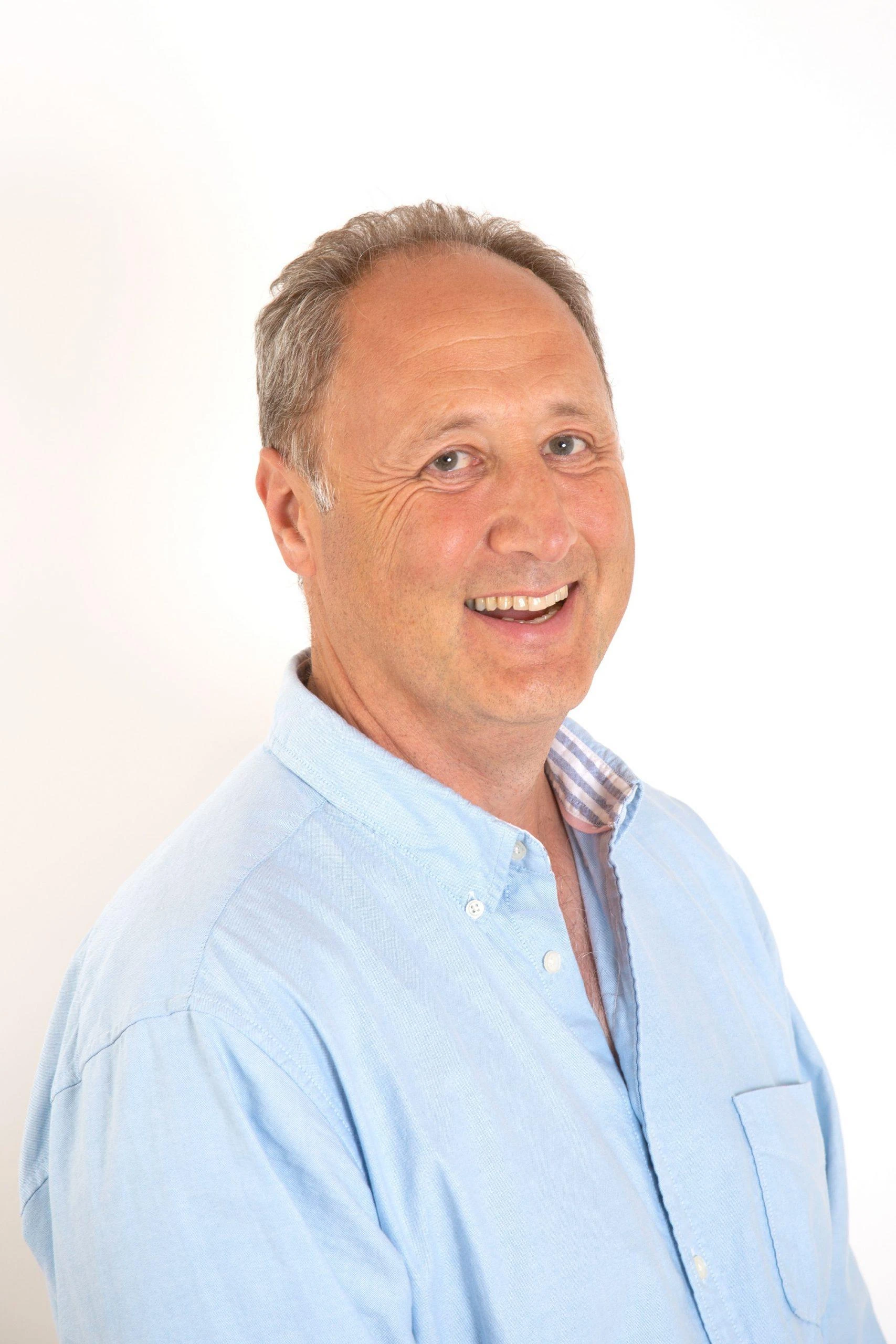
SIMON ALLOCCA, Chief Financial Officer
 SIMON ALLOCCA, Chief Financial Officer
When our six year old daughter was diagnosed with Osteosarcoma I was shocked to be told that her prognosis was so poor and that she had less than a 50% chance of surviving longer than five years. She survived for three. There seemed to be an acceptance that this type of prognosis was acceptable.
It cannot be right that the outcome for people diagnosed with a rare cancer has not improved in the last 40 years. However, when you realise that protocols for treating these cancers have not changed it is easy to understand why this is the case. The answer is quite simple, there are very few clinical trials for patients with a rare cancer and oncology drugs, existing or new, are not being used to improve patient outcomes. RareCan has been set up to address this issue.
I love the fact that RareCan is looking to disrupt the status quo of how to drive clinical research by putting power into the hands of the patient.
Why, in this day and age, do we think that it is acceptable that life expectancy for those people diagnosed with a rare cancer has not improved for 40 years. Something needs to change. This is where I believe RareCan can make a difference by challenging the way clinical trials are undertaken.
Who does not want to be part of something that will improve the outcome of people diagnosed with cancer? By being part of the RareCan team I am making a difference and having a positive impact on a group of individuals that have not had the benefit of progress made in proven medical treatment.
I believe that RareCan can make a major contribution to improved outcomes for people diagnosed with a rare Cancer.
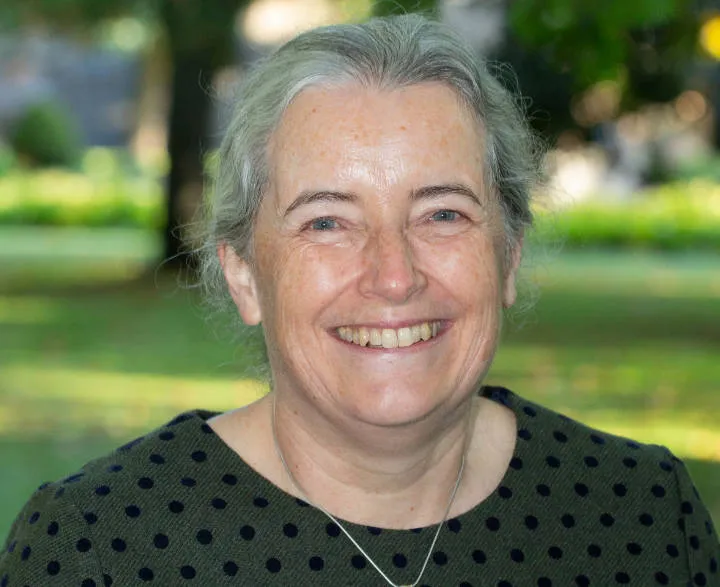
Amanda Gibbon, Non-Executive Chair
 Amanda Gibbon, Non-Executive Chair
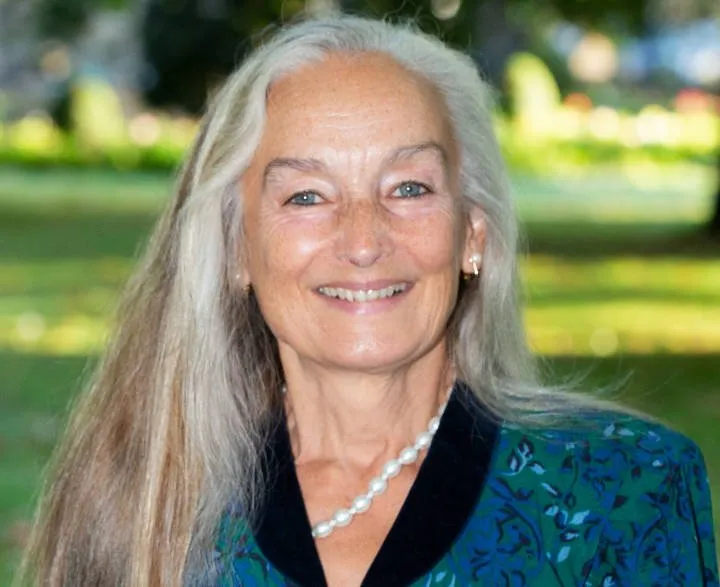
Amanda is a vice chair of Whittington Health NHS Trust and an associate non-executive director of Royal Free London NHS Foundation Trust. She has extensive experience of lay involvement and governance within the NHS and public sector, having been a governor of UCLH NHS Foundation Trust for nine years, where she continues to chair both the trust’s Organ Donation Committee and the UCL/UCLH Biobank Ethical Review Committee. She was a Member of the Human Tissue Authority from 2014 to 2021 and a member of the UK Donation Ethics Committee until it was wound up in 2016. She is a lay member of NHS Blood and Transplant’s National Organ Donation Committee and chair of the steering committee for the UK CRC Tissue Directory and Co-ordination Centre as well as a trustee of various charities and a magistrate.
Dr Anita Cooper, Non-Executive Director
Anita is a recognised leader within the pharmaceutical and life sciences sector. With over 30 years’ global business experience, Anita has worked across diverse functions, skill levels and geographies, including strategy development and implementation, risk management, operations and technology-enabled process transformation across the world.
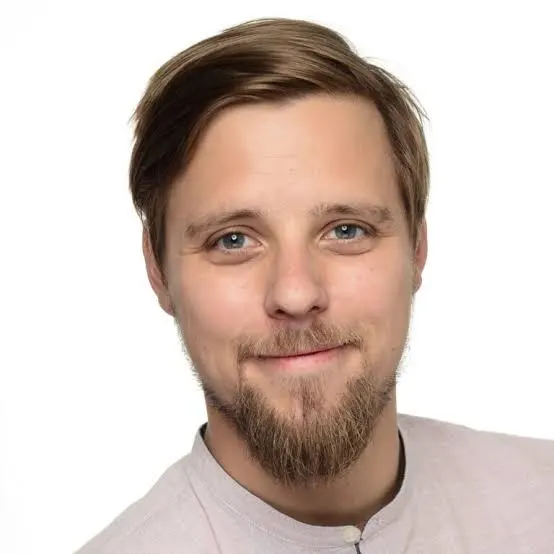
Dr Christoph Oing, Medical Advisor
Dr Oing is a medical oncologist currently working as a clinical academic and NUPAcT fellow at Newcastle University CRUK Drug Discovery Unit and as an honorary consultant medical oncologist at the early phase trials unit located at the Northern Centre of Cancer Care at the Freeman Hospital in Newcastle upon Tyne, UK. His NUPAcT fellowship is associated with a clinical advisory role for Astex Pharmaceuticals, a drug discovery biotech company based in Cambridge, UK. This is a novel position shared between the three previously mentioned institutions as part of a Newcastle University Academic Track, with Astex as an external partner providing a comprehensive learning environment spanning the continuum from pre-clinical research for drug target identification, design of new targeting agents and their clinical application as part of early phase clinical trials.
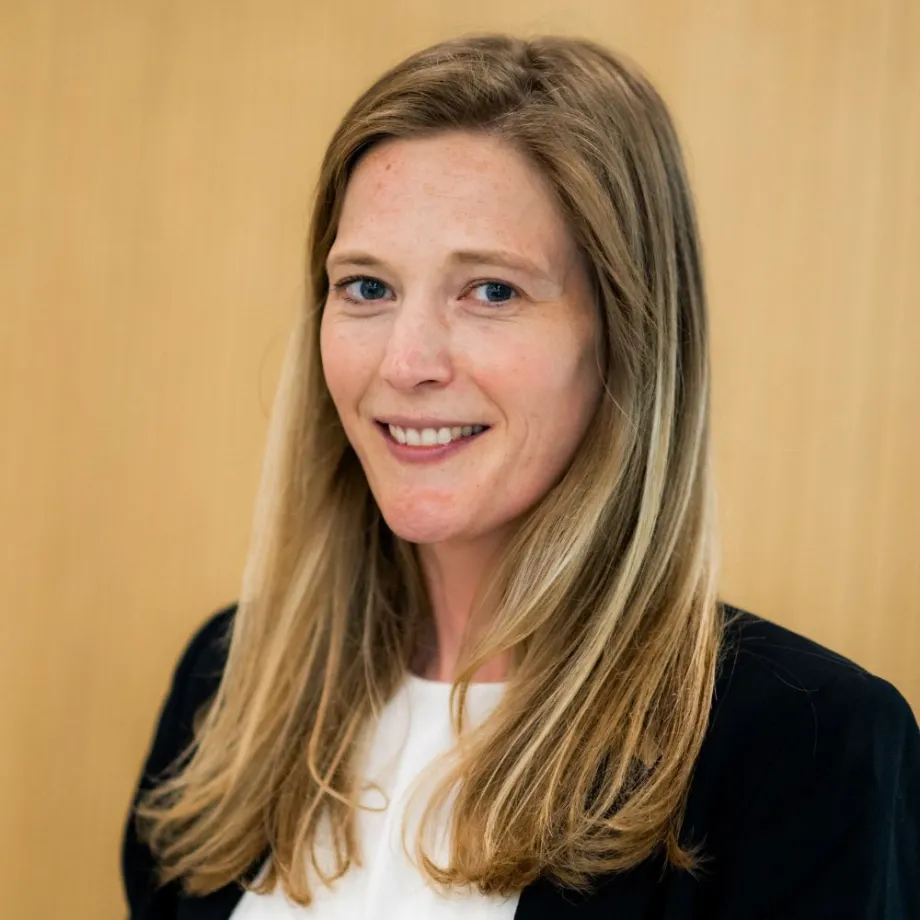
Dr Sarra Ryan, Scientific Advisor
Sarra is currently a Cancer Research UK Career Development Fellow at the Translational and Clinical Research Institute at
Newcastle University. Sarra’s research interests have focused on exploring the genomic landscape of childhood cancer and leukaemia, to improve the risk-stratification of patients for treatment and provide a greater understanding of disease development and prevention in children. She has developed and utilised next generation sequencing (NGS) technologies to identify recurrent mutations, copy number abnormalities (CNA) and rearrangements of genes in childhood cancer and leukaemia using whole genome (WGS), whole exome (WES) and targeted sequencing approaches. Sarra’s translational research output has facilitated the development of UK treatment stratification procedures, biomarker-driven pan-European clinical trials and identified targetable lesions in high-risk patients who would benefit from intensive or targeted therapy. Furthermore, these studies have identified patients with predisposition to disease and shed light on the mechanisms of cancer development through abnormalities involving the centromere or telomere of individual chromosomes.
Join the Team
If you’re interested in working at RareCan, please visit our careers page by clicking on the button below to see which jobs are available.